

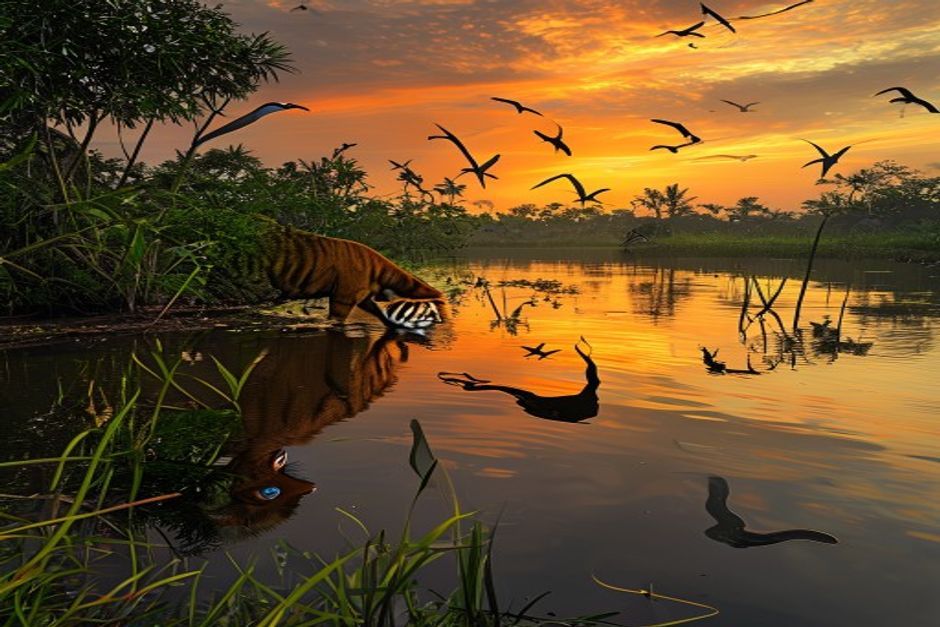
Planning a trip to the Sundarbans? This vast mangrove forest, shared between India and Bangladesh, is a UNESCO World Heritage site and one of the last strongholds of the Bengal tiger. But the real draw for nature and wildlife lovers goes beyond the big cat. You’ll find estuarine crocodiles, spotted deer, kingfishers, and countless other species. Getting there isn’t straightforward, and the logistics can make or break your experience.
Key Takeaways
- Best time to visit is November to February for pleasant weather and active wildlife.
- Permits and guides are mandatory; book through authorized tour operators.
- Carry insect repellent, binoculars, and light cotton clothing for the humid climate.
Best Season and Practical Tips
The Sundarbans experiences a tropical monsoon climate. I visited in late January, and the weather was perfect — dry and around 25°C. From March onwards, heat and humidity spike, making wildlife sightings rarer as animals retreat to shade. Monsoon (June-September) brings heavy rains and many watchtowers close. So plan between November and February.
Permits are required for entering the national park. You can get them online through the West Bengal Forest Department’s website or through local operators near the entry points like Sajnekhali. Guides are mandatory. They know the creeks, the tide timings, and where the animals often roam. My guide spotted a saltwater crocodile basking on a mudflat long before I saw it. Trust them.
Wildlife Watching and Must-See Spots
The best way to see wildlife is by boat. Most tours offer a two- or three-day package. Early mornings and late afternoons are prime time. We saw chital deer grazing on the riverbanks, a golden jackal crossing a narrow canal, and several species of kingfishers. The Sundarbans Tiger Reserve has several watchtowers: Sajnekhali, Sudhanyakhali, and Dobanki. Each offers a different vantage point — some have elevated walkways, others just a small shelter.
Don’t expect to spot a tiger easily. They are shy and the mangrove cover is dense. But you’ll find plenty of birdlife and the unique mudskippers and fiddler crabs along the creeks. For serious birders, carry a field guide. The forest is also home to the rare Irrawaddy dolphin, which occasionally surfaces in the river channels.
| Pros of Visiting Sundarbans | Cons of Visiting Sundarbans |
|---|---|
| Unmatched biodiversity and unique mangrove ecosystem | Limited amenities; basic accommodation options |
| Guided tours ensure safety and knowledge | Monsoon season severely restricts access |
| Fewer crowds compared to other Indian parks | Expensive permits and boat charges |
A note on safety: always listen to your guide. Crocodiles and tigers are real threats, though attacks are rare. Stick to designated areas. And pack light — only essentials: water, snacks, sunscreen, hat, binoculars, camera. Mobile network is patchy; some resorts have WiFi but don’t rely on it. The Sundarbans isn’t a luxury destination, but its raw, primeval feel is unforgettable.
Frequently Asked Questions
How many days are enough for the Sundarbans?
A standard tour is 2 nights and 3 days. This gives you time for boat safaris, visits to watchtowers, and a feel for the forest. A one-day trip is possible but you’ll miss the early morning and late afternoon peak wildlife hours.
What is the best way to reach the Sundarbans?
The closest major city is Kolkata. From there, drive (about 3-4 hours) to the gateway town of Godkhali or Sonakhali. Most tour operators arrange transport. Alternatively, you can take a train to Canning and then a short bus or taxi ride. From Bangladesh side, access is via Khulna.
Is it safe to visit the Sundarbans with kids?
Yes, but choose a reputable operator. Keep children close, especially near water. Boat rides are generally safe. The wildlife is wild but you’ll be in a boat or elevated platform most of the time. Carry enough snacks and entertainment for downtime.
Can I visit the Sundarbans from Bangladesh side?
Yes, the Sundarbans extends into Bangladesh. The Bangladeshi part also has tours from Khulna and offers similar wildlife. Permits are required. The beauty is continuous — no fence separates the two countries.